Mid-season Collection: Women - Men Delivery 24/48h, Free from €90 Satisfaction Guaranteed or Money Back

The largest selection of hats in France


Choosing a beanie is not just about settling on the first model that appeals to us visually. Behind this apparently simple decision lie several crucial issues that will determine your long-term satisfaction.
The material constitutes the fundamental element that will directly influence daily comfort, the durability of your investment, and even the overall aesthetics of your look. Between thermal insulation properties, breathability capacity, ease of maintenance, harmony with your personal style, and of course your budget, there are many parameters to consider.
Some fibers excel in harsh winter conditions but prove unsuitable for mid-seasons. Others shine through their maintenance practicality while sacrificing certain technical qualities. There are also those noble materials that justify their price with exceptional performance... but do they really correspond to your needs?
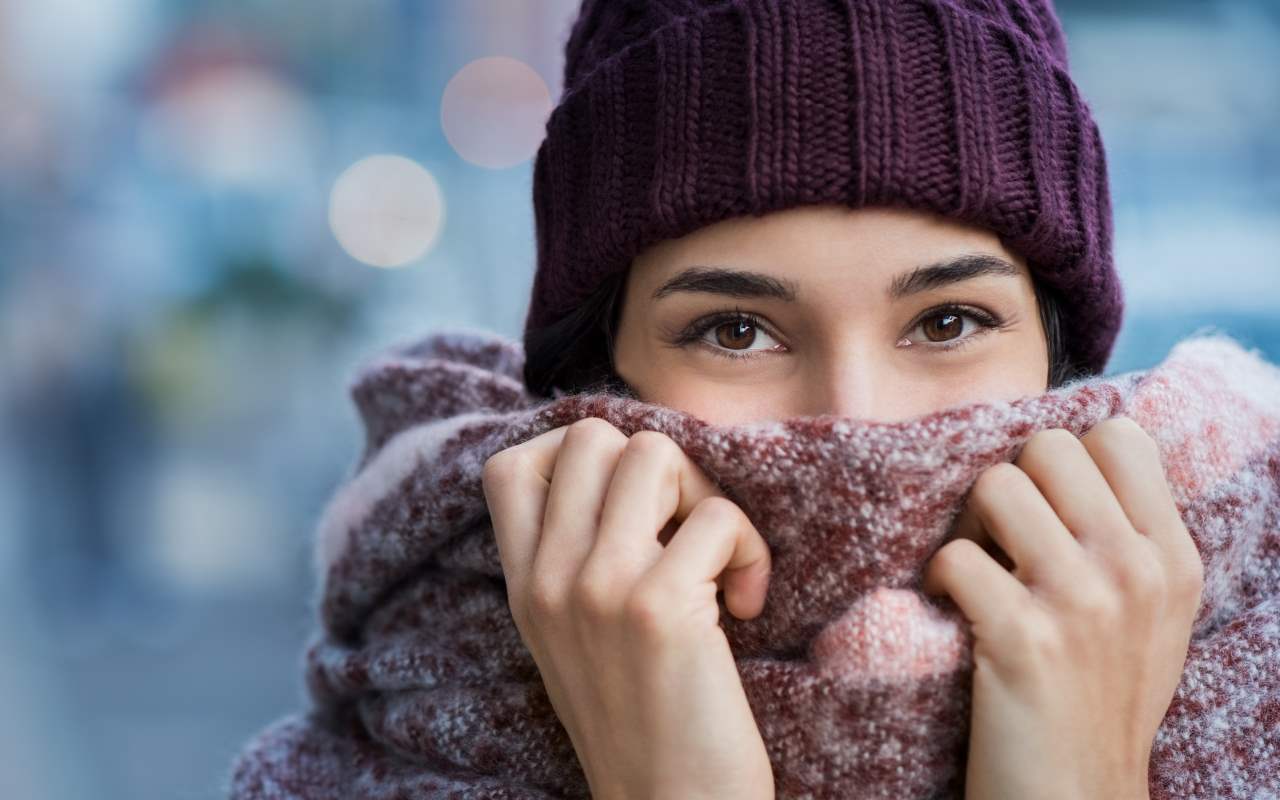
Natural materials: tradition and performance
Wool and its variants
Wool undeniably remains the absolute reference for winter beanies. This natural fiber has remarkable thermoregulatory properties that allow it to maintain a stable body temperature even in extreme cold.
Merino wool is particularly distinguished by its exceptional fineness. Contrary to popular belief, it does not itch and offers an incomparable silky touch. Its insulation capacity remains effective even when wet, making it a wise choice for prolonged outdoor activities.
Virgin wool, on the other hand, retains all its natural properties since it has not undergone any aggressive chemical treatment. It has a natural resistance to odors and possesses this unique ability to partially self-clean in the open air.
But beware! Lambswool, often considered the ultimate in softness, requires particularly delicate care. Its high price is justified by its origin (first shearing of the animal) and its exceptional tactile qualities.
The disadvantages? Maintenance represents the main challenge. Hand washing recommended, controlled temperatures, flat drying... Some find these constraints prohibitive for intensive daily use.
Cashmere: luxury and softness
Let's talk about cashmere straight up: it's the Holy Grail of textile materials for beanies. This fiber comes from the down of cashmere goats living in regions with extreme climates, mainly in Mongolia and China.
Its thermal regulation properties far exceed those of traditional wool. Cashmere offers superior insulation while remaining surprisingly light. It naturally adapts to body temperature variations, keeping you warm without ever causing a feeling of suffocation.
Durability is another major asset, provided you invest in quality cashmere. A well-maintained pure cashmere beanie can easily last several decades. Certainly, the initial investment seems substantial, but the calculation becomes profitable in the long term.
Cashmere care requires specific precautions. Hand washing exclusively, with suitable products, water temperature never exceeding 30°C. Drying must be done flat, away from any direct heat source.
Alpaca and other noble fibers
Alpaca deserves serious attention. This South American fiber has remarkable hypoallergenic properties that make it the preferred choice for sensitive skin.
Unlike sheep's wool, alpaca does not contain lanolin, that natural greasy substance responsible for many allergic reactions. Its particular fibrous structure gives it superior mechanical resistance to traditional wool, while maintaining surprising lightness.
Mohair, from angora goats, brings shine and natural elasticity. Angora, from rabbits of the same name, offers incomparable softness but requires special care precautions due to the fragility of its short fibers.
Cotton: versatility and freshness
Cotton occupies a special position in the world of beanies. Often underestimated for cold seasons, it nevertheless excels in many situations.
Its natural breathability makes it the ideal companion for mid-seasons and temperate climates. Cotton naturally wicks away body moisture while maintaining pleasant thermal comfort. For active people or those who tend to get hot, a cotton beanie can prove more comfortable than thick wool.
Simplified maintenance is an undeniable advantage. Machine washing, quick drying, resistance to frequent washing... Cotton forgives handling errors and adapts to busy lifestyles.
However, its limits appear quickly in really cold weather. Cotton loses its insulating properties once wet and dries slowly, which can create unpleasant sensations during intense winter activities.
Linen: natural elegance
Linen for a beanie? The idea may surprise, yet this ancestral fiber has unsuspected advantages for headwear accessories.
Its natural thermoregulatory properties allow it to automatically adapt to thermal variations. Linen provides a feeling of freshness in summer while maintaining sufficient insulation during cooler evenings.
Aesthetically, linen brings that relaxed elegance so sought after in contemporary looks. Its slightly naturally wrinkled appearance gives it an authentic character that harmonizes perfectly with casual-chic outfits.
Mid-season represents the ideal period to adopt a linen beanie. Spring and autumn find in this material the perfect balance between protection and breathable comfort.
Synthetic materials: innovation and practicality
Acrylic: the accessible alternative
Acrylic sometimes suffers from an unflattering image, yet recent innovations have considerably improved its performance. This synthetic fiber now manages to remarkably simulate the insulating properties of natural wool.
Its quality-price ratio remains unbeatable. For a tight budget, acrylic allows access to a warm and comfortable beanie without major compromise on thermal performance. Modern spinning techniques produce increasingly soft-to-the-touch acrylics.
Maintenance proves to be surprisingly simple. Machine washing without special precautions, quick drying, resistance to deformation... Acrylic forgives all handling errors.
Natural resistance to allergies is another positive point. People sensitive to wool find in acrylic a viable alternative that does not cause any skin reactions.
Be careful, however, of breathability limitations. Acrylic wicks away body moisture less effectively than natural fibers, which can create feelings of discomfort during prolonged efforts.
Polyester: robustness and versatility
Polyester deserves that we go beyond prejudices to examine its real qualities. This synthetic fiber presents exceptional wear resistance that guarantees remarkable longevity to your beanies.
Its ease of maintenance rival