Mid-season Collection: Women - Men Delivery 24/48h, Free from €90 Satisfaction Guaranteed or Money Back

The largest selection of hats in France


An authentic Stetson hat represents much more than a simple fashion accessory. It's an investment in excellence, a heritage that has crossed generations since 1865. But owning a Stetson also means accepting a certain responsibility: that of preserving this exceptional piece through meticulous maintenance.
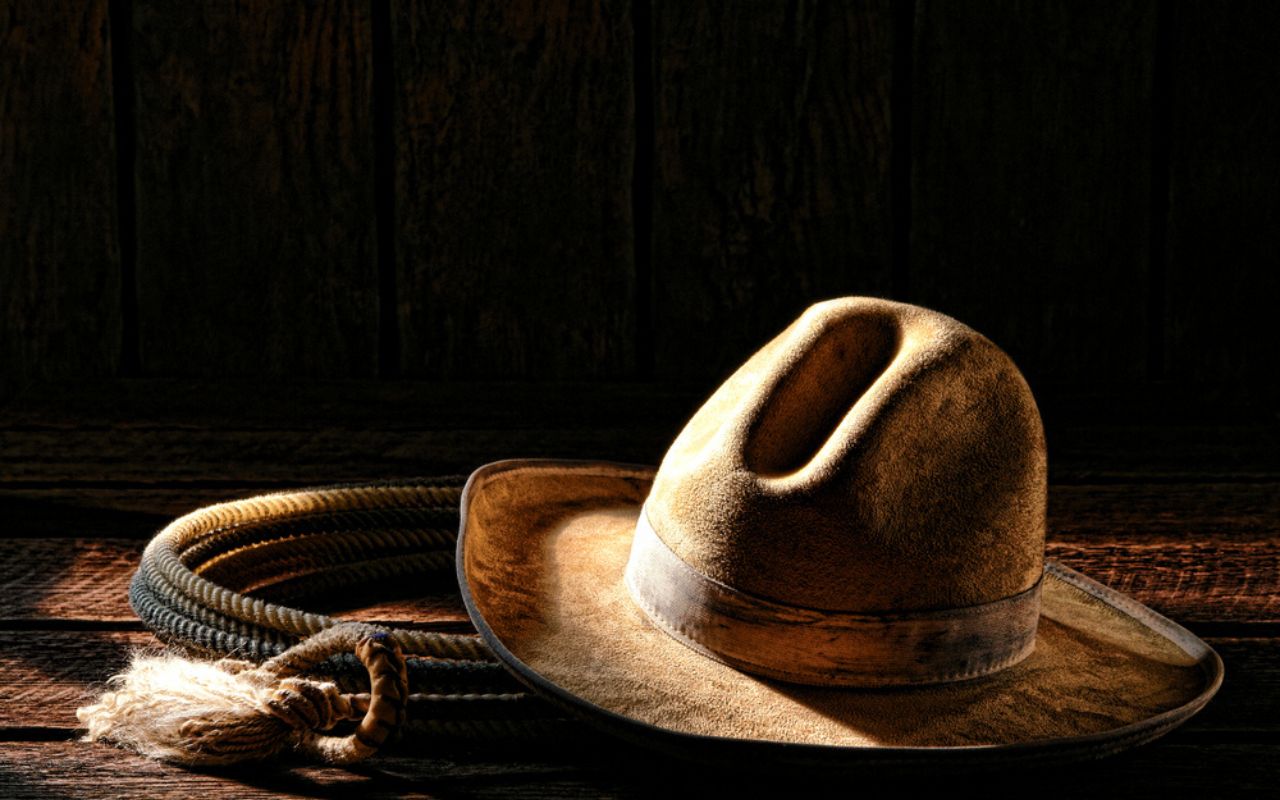
You may have noticed: a poorly maintained hat quickly loses its splendor. Fibers become dull, shape deforms, and that natural elegance that makes Stetson's reputation gradually evaporates. Fortunately, a few simple and regular gestures are enough to keep your headwear in impeccable condition.
Maintaining a Stetson is not rocket science, but it requires method. Each material has its requirements, each stain its specific treatment. And contrary to what one might think, the most common mistakes are often the most damaging.
Understanding your Stetson hat
Before pulling out brushes and cleaning products, let's take time to examine your hat. Because not all Stetsons are alike, far from it. Rabbit or beaver hair felt, a noble material par excellence, requires particular precautions. Its dense texture and natural ability to repel water make it a resistant material, but sensitive to aggressive treatments.
Wool felt, more affordable, requires a slightly different approach. Less delicate than its hair cousin, it nevertheless remains fragile when faced with temperature and humidity variations. As for Stetson leather hats, they follow the classic rules of leatherwork: regular hydration and gentle cleaning.
But beware of straw models! These summer Stetson creations don't tolerate excess moisture well and can quickly fade if poorly treated. Each material tells its own story and imposes its maintenance method.
Critical areas to monitor? The crown, which absorbs daily handling. The brims, constantly exposed to the elements. And especially, that sweatband which absorbs moisture and can quickly become a breeding ground for bacteria if neglected. Knowing your hat is already half the work done.
Preventive daily maintenance
Nothing beats a well-established routine. Each evening, after removing your Stetson, give it a few minutes of attention. A simple brushing is often enough to preserve its brilliance for years.
The technique? Always counterclockwise, starting from the left side of the hat. Why this precise direction? Felt fibers naturally orient themselves in this direction during manufacturing, and respecting this logic avoids unnecessarily stressing them.
Your brush should have soft bristles, ideally horsehair. Synthetic brushes that are too stiff risk scratching the delicate surface of the felt. And this gesture, repeated day after day, makes all the difference between a hat that ages well and one that deteriorates prematurely.
Never forget the sweatband. This often-neglected part deserves all your attention. A simple wipe with a clean, dry cloth after each wearing eliminates residual moisture and prevents the appearance of bad odors. It's a detail that matters enormously in the long term.
Handling also matters. Always grasp your hat by the crown, never by the brim. This simple habit avoids the gradual deformations that eventually make a hat unrecognizable.
Thorough cleaning according to material
When daily brushing is no longer enough, you need to step it up. But beware: each material imposes its own strategy.
For felt, water steam becomes your best ally. Boil water and hold your hat about 30 centimeters above the steam source. This distance is not trivial: too close, you risk burning the fibers; too far, the effect remains insufficient.
Localized stains on felt? Dab gently with a white damp cloth. Above all, never rub! Wet felt becomes fragile and can easily tear under excessive pressure. For stubborn grease stains, a pinch of talc or baby powder will absorb excess grease in a few hours.
Leather hats require a different protocol. A soap specially designed for leather, applied sparingly, followed by regular conditioning to maintain suppleness. Dry leather cracks, overly moist leather molds: it's all about balance.
As for straw, it generally settles for a slightly damp cloth and a touch of mild soap. But beware of excess water! Soaked straw deforms irreparably and can even rot if it doesn't dry properly.
Treatment of specific stains
Each stain tells a different story and requires its own solution. Sweat rings, those whitish marks that appear on dark hats, may seem permanent. Yet a technique exists.
Prepare a very diluted solution of water and white vinegar (one teaspoon per glass of water). Gently dab the affected area, then immediately dry with a clean cloth. The mild acidity of vinegar dissolves salt deposits without damaging the felt.
Water stains pose a particular challenge. Paradoxically, the solution often consists of... wetting more! Uniformly moisten the entire affected area to avoid the halo effect, then let it dry naturally. This technique equalizes moisture distribution and makes demarcations disappear.
When dealing with grease stains, speed of intervention makes all the difference. The longer you wait, the deeper the oil penetrates into the fibers. Immediately sprinkle with talc and let sit overnight. Talc absorbs excess grease and greatly facilitates subsequent cleaning.
For simple dirt, an energetic but controlled brushing is generally sufficient. Always start with the least visible areas to test the material's reaction.
Reshaping techniques
A deformed hat is not necessarily lost. Water steam, once again, works many miracles. Damp felt temporarily becomes malleable again and accepts being reshaped.
The technique requires patience. Uniformly expose your hat to steam, then gently shape it with your hands while it remains damp. Respect the natural curves, never force a shape that resists too much.
Natural air drying remains imperative. Never use a hair dryer, never a radiator! Direct heat hardens the felt and can create irreparable cracks. A well-reshaped hat deserves patient drying at room temperature.
Some minor deformations even correct themselves without steam. A slightly flattened crown often regains its shape by simply being stored correctly for a few days.
Optimal drying and storage
Storage, now that's the point most hat owners neglect! Yet poor storage can ruin months of careful care in just a few weeks.
The golden rule? Store your Stetson upside down, resting on its crown. This position preserves the shape of the brim, the most fragile and visible part of the hat. A hatbox remains ideal, but a suitable stand also works.
Humidity represents enemy number one. An environment that's too dry cracks leather and makes felt brittle. Too humid, it promotes mold and deformations. The ideal is around 50-60% relative humidity, in a ventilated place but sheltered from direct drafts.
Don't forget about moths! These little creatures love natural fibers. A few lavender sachets or cedar chips in your storage box will effectively deter them. And unlike chemical mothballs, these natural solutions won't risk impregnating your hat with persistent odors.
Direct sunlight? Absolutely forbidden! UV rays irreparably fade felt and dry out leather. Even for drying after cleaning, always prefer shade.
Mistakes to avoid absolutely
Some mistakes seem harmless but cause irreversible damage. Bleach, for example, may seem effective against stubborn stains. In reality, it literally dissolves the felt fibers and leaves permanent whitish marks.
Complete immersion in water constitutes another fatal error. A soaked hat loses its shape, its dimensions change, and the glue holding certain elements together may dissolve. Even hats labeled "waterproof" cannot withstand prolonged bathing.
The vacuum cleaner seems practical for quick dusting. But its suction power can permanently deform soft felt or tear fragile fibers. Hard-bristled brushes cause similar damage: they scratch the surface and dull the material's natural shine.
Constantly handling your hat by the brim creates gradual but certain deformations. Over the months, the brims sag, warp and lose that clean line that gives a Stetson all its elegance.
When to call a professional
Recognizing your limits also means preserving your investment. Some problems exceed the capabilities of even the most meticulous individual.
Old stains embedded in the felt often require special solvents that only professionals master. Significant brim deformation requires reshaping tools that few individuals possess. And what about a completely flattened crown or a detached sweatband?
Warning signs? Water rings that resist all your efforts, persistent odors despite thorough cleaning, or areas where the felt seems to have lost its original texture. In these cases, a hatter's expertise becomes essential.
The frequency of professional maintenance varies according to use. A hat worn daily deserves an annual visit to the specialist. For occasional use, every two or three years is generally sufficient. But beware: postponing this visit indefinitely often costs more than regular preventive maintenance.
Expert tips and hatter tricks
Professionals know some secrets that manuals don't always reveal. For example, this technique to revive dull felt: very gently pass a white eraser over discolored areas. The gentle friction removes the surface layer of dirt and restores shine.
For light-colored felt hats, very fine sandpaper (400 grit minimum) can erase stubborn stains. But beware: this technique requires an expert hand and forgives no error in dosage.
Diluted ammonia (one drop in a glass of water) works wonders on certain old sweat stains. But its use remains delicate and requires a prior test on a hidden area.
Regarding professional products, specialized felt cleaners exist but remain expensive. Most of the time, traditional techniques are more than sufficient. A seasonal maintenance schedule optimizes results: thorough cleaning in spring, check in summer, winter preparation in fall.
And here's a grandmother's trick that really works: hang your hat in the bathroom during a hot shower. The ambient steam relaxes the fibers and makes everyday wrinkles disappear.
Preserving the Stetson heritage
A well-maintained Stetson hat crosses decades without losing an ounce of its character. This exceptional longevity justifies the initial investment and explains why so many models are passed down from generation to generation.
Regular maintenance remains the key to this legendary durability. A few minutes per week are enough to keep your headwear in perfect condition. And contrary to popular belief, these maintenance gestures quickly become automatic, almost meditative.
Your Stetson deserves this special attention. It accompanies you in your important moments, shapes your personal style and tells your story. In return, it asks only for minimal care to continue serving you faithfully.